

Across the Tides: Safe Paths to Island Gateways
Today we explore reaching tidal islands and causeways—timing, routes, and landmarks—so your journey aligns with the sea’s rhythm, not against it. Learn to read tide tables, recognize subtle local offsets, follow historic waymarks, and plan reliable return windows. We’ll weave in coastal lore, safety wisdom, and practical checklists, celebrating places from Lindisfarne to Mont Saint‑Michel. Share your own crossings, insights, and photos to help fellow explorers travel more confidently and respectfully along these shifting edges.

Reading Water Clocks: Mastering Tide Windows
Tides write the day’s schedule in moving ink, and the safest crossings begin with understanding that script. Know when low water truly peaks at your specific crossing, how long the window remains usable, and when the first push of the flood turns paths into traps. Build generous margins, factor weather into predictions, and remember that every bay, estuary, and sand flat has quirks locals learned the hard way. Patience often proves the smartest speed.

Routes That Appear and Disappear
Paths over sands and stone are not ordinary trails; they are promises that exist only under particular heights of water and light. Waymarks and beacons offer guidance until fog, glare, or swell steals them from view. Prepare layered navigation: visible cues, mapped bearings, and digital backups with offline access. Move steadily, stopping briefly to confirm alignment rather than drifting. The goal is graceful precision, not speed that outruns judgment.
Underfoot and Underwheel
Not all surfaces are equal beneath a changing sea. Cobbled causeways can be ribbed with centuries of cart tracks, slick with kelp, and pocketed with uneven repairs. Natural sand flats appear firm until they liquefy near fresh runnels, while clay and silt grip boots like slow hands. Test before committing weight, space your party, and avoid bunching on suspect patches. Vehicles multiply risks: hidden potholes, side wash, and salt corrosion waiting for the careless moment.
Journeys Worth Planning Around
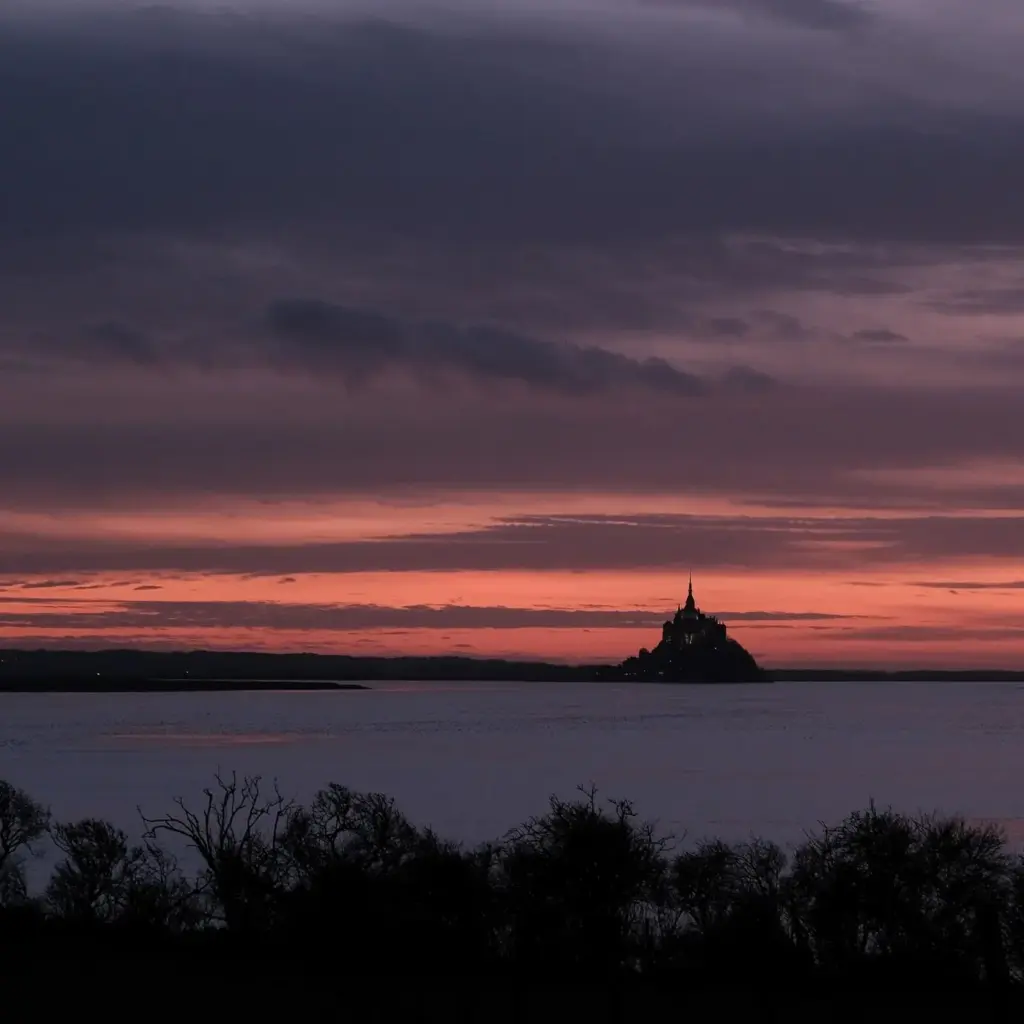
Some crossings carry centuries of prayer, trade, and stubborn hope. Others lead to lighthouse rocks where seabirds arrange the air with racket and grace. We highlight places where timing turns danger into wonder: stepping stones of posts toward a priory, a sweeping granite causeway gleaming at low water, city‑edge sands braided with quick runnels. Treat these snapshots as inspiration, not invitations to rush. Local notices change, and tides remember every shortcut someone tried.
Safety, Stewardship, and Good Sense
Emergency Plans and Rescue Protocols
Store the local coastguard number, a whistle, and a lightweight emergency blanket where hands find them fast. If caught by the flood, head for the nearest high point—refuge tower, dune crest, or rocky knoll—and stay visible. Signal with bright clothing or a light, and conserve phone battery by sending concise texts. Do not attempt to outrun channels you cannot read. After any incident, report conditions so others benefit from the lesson you earned.
Birds, Seals, and Saltmarsh Etiquette
Eiders, terns, and plovers nest low, relying on camouflage rather than confrontation. Give them space, keep dogs leashed, and walk below the high wrack line to avoid fragile vegetation. Seals haul out to rest; admire from distance without corralling pups between you and the surf. Saltmarsh stores carbon and softens storm energy, bruising easily under careless feet. Your quiet, wide arcs around roosts and reed edges protect lives you came to celebrate.
Learning From Locals and Posting Updates
Lifeboat crews, harbour staff, wardens, and café owners hold a living library of sandbars and eddies. Ask specific questions—about today’s wind setup, the stubborn gully near marker six, or a rumored shortcut—and listen without arguing. After your crossing, post a brief conditions note and corrected times if you observed offsets. Encourage respectful dialogue online, and invite questions. Shared knowledge keeps the community safer than any single clever gadget ever will.
Build Your Tide‑Led Itinerary
Let the sea set your schedule, then fill the waiting with beauty. Plan meals, sketching time, museum visits, and shoreline rambles around low‑water windows rather than forcing hurried crossings. Pack layered clothing, warm drinks, and a willingness to pivot if pressure or wind shifts the numbers. Share your plan with a friend, invite companions to contribute ideas, and tell us where you’re headed. Your stories, photos, and tips will guide the next traveler wisely.
Packing for Wet Edges and Sudden Weather
Choose footwear with reliable wet‑rock traction and ankle support, plus a change of socks in a sealed bag. Add a breathable shell, light insulating layer, brimmed hat, and sun protection for bright sands. Include trekking poles, a small first‑aid kit, headlamp, and compact binoculars for birds. Snacks that tolerate salt wind lift spirits when schedules shift. Everything rides in a waterproof daypack that shrugs off spray and gives you both hands free.
Transport, Parking, and Waiting Well
Parking areas near causeways often flood or close at specific times; read the boards and confirm exit routes before the tide rises behind you. If using public transport, align outbound and inbound connections with your return window, not just your start. Waiting can be delightful: a thermos, field notes, and a shoreline bench turn patience into luxury. Support local cafés and shops while you watch the water draw maps you’ll soon walk.
Checklists, Alarms, and Sharing Your Plan
Set multiple alarms: one for departure prep, one for the latest safe turn‑around, and one ten minutes before your absolute cutoff. Keep a written checklist inside your map case so stress cannot erase essentials. Text your plan to a friend and ping them again when you return to shore. Afterward, share a brief account in the comments—what worked, what surprised you, and which landmarks helped—so our community grows wiser, tide by tide.